
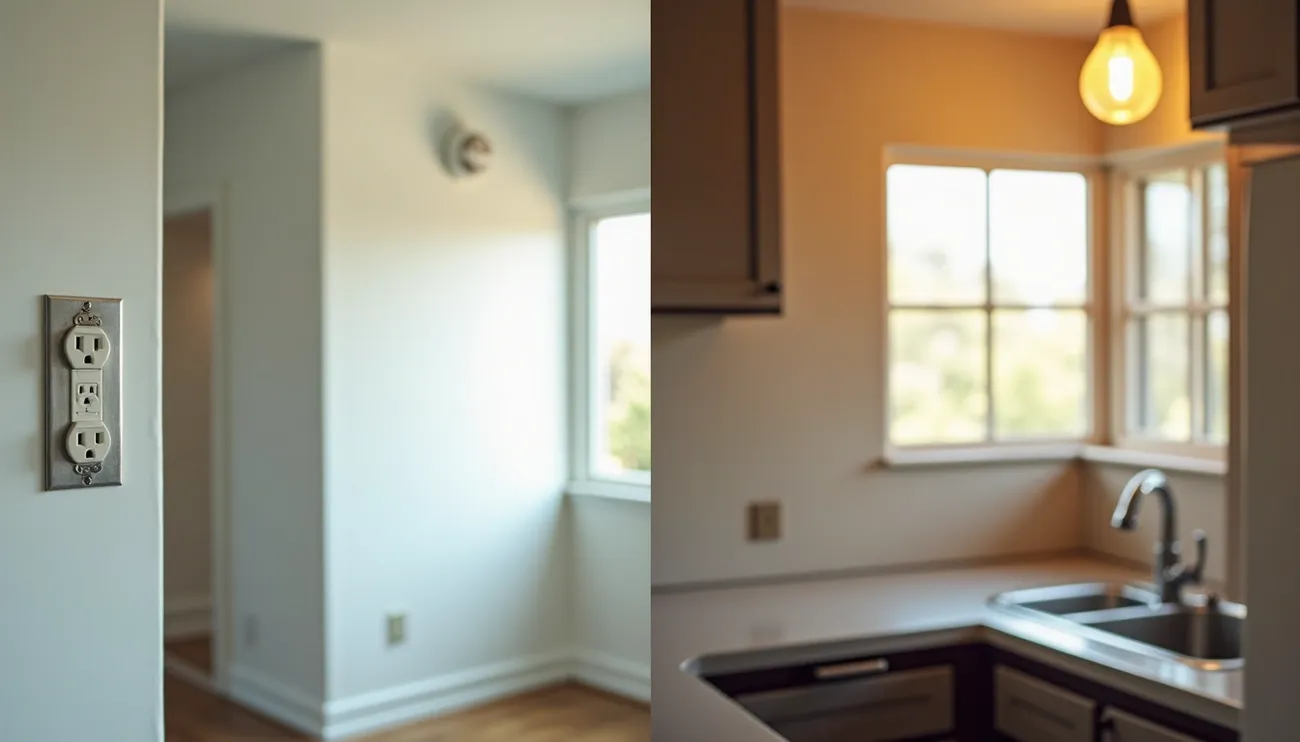
California’s habitability laws set the compliance floor every California landlord must meet — and they shape every habitability defense a tenant can raise in unlawful detainer. Civil Code §§ 1941 and 1941.1 list the conditions that, if missing, render a unit “untenantable” and trigger the implied warranty of habitability recognized in Green v. Superior Court (1974) 10 Cal.3d 616. Properties that fall below those standards expose owners to rent-withholding defenses, repair-and-deduct claims under Civil Code § 1942, constructive eviction claims, affirmative defenses in UD, and — in serious cases — statutory damages under Civil Code § 1942.4.
A habitable rental unit must be safe, livable, and compliant with state and local building and health codes. The landlord’s compliance file — work orders, contractor invoices, inspection reports, photo documentation, tenant correspondence — is the same evidence that defeats a habitability defense at trial. Property owners who need habitability compliance guidance for property owners should assemble that file proactively, well before any dispute arises. Documentation is the entire game.
This piece explains the legal requirements every California rental property must meet in 2026 from the perspective of the landlord who has to comply, document, and defend. It covers the standards set by Civil Code § 1941.1, the landlord’s affirmative obligations, the proper-notice and one-month-rent limits on tenant self-help under Civil Code § 1942, and the proof landlords need to defeat improper rent-withholding and constructive eviction claims. Property owners facing related compliance questions can also review our LARSO compliance guide for Los Angeles landlords for parallel registration and rent-cap obligations.
California Civil Code 1941.1 and the Legal Definition of Habitability
California’s rental housing standards stem from Civil Code 1941.1. This statute defines the floor a landlord must meet to avoid an “untenantable” finding. Property owners who understand its reach can structure preventive maintenance, inspection, and documentation protocols that defeat habitability defenses before they arise.
What habitability means under California law
Habitability under California law means the basic living conditions that make a dwelling safe, sanitary, and fit for human occupancy. The standard is not perfection or aesthetics — it is whether the unit meets state and local building and health codes and the specific conditions enumerated in Civil Code § 1941.1. Compliance is a fact question turning on observable conditions, not on tenant satisfaction or cosmetic complaints.
A dwelling becomes untenantable when it fails to meet the statutory conditions or when local code violations materially affect health or safety. Cosmetic complaints — worn carpets, faded paint, dated fixtures — do not breach the warranty. Conditions that endanger health or safety do.
Implied warranty of habitability: scope and burden allocation
The implied warranty of habitability is read into every residential lease in California by operation of law. It cannot be waived by the tenant, even with a clear written waiver, and it cannot be disclaimed in the lease. The warranty was established by Green v. Superior Court (1974) 10 Cal.3d 616 and reinforced by Knight v. Hallsthammar (1981) 29 Cal.3d 46, which held the warranty applies regardless of whether the tenant had notice of the condition at move-in.
Key doctrinal points for landlords:
- The warranty cannot be waived in the lease and is non-disclaimable
- It applies regardless of the unit’s condition at the start of tenancy (Knight)
- The tenant must give the landlord notice of the defect and a reasonable time to repair before claiming breach
- The landlord’s affirmative defense at trial is documented inspection, response, and repair
The tenant must prove (1) a substantial defect existed, (2) the landlord had notice, and (3) the landlord failed to repair within a reasonable time. The landlord defeats the claim by producing the work order, the contractor invoice, the date-stamped photos, and the dated communications. A landlord who can show prompt response to a notified defect almost always wins.
How California Civil Code Section 1941.1 defines habitable conditions
Civil Code § 1941.1 enumerates the affirmative compliance checklist. A unit is untenantable if it substantially lacks any of:
- Effective waterproofing and weather protection of roof and exterior walls, including unbroken windows and doors
- Plumbing or gas facilities in good working order, compliant with applicable law at the time of installation and maintained in good working order
- A water supply approved under applicable law that is capable of producing hot and cold running water furnished to appropriate fixtures and connected to a sewage disposal system
- Heating facilities maintained in good working order
- Electrical lighting, with wiring and electrical equipment compliant with applicable law at the time of installation, maintained in good working order
- Building, grounds, and appurtenances kept clean, sanitary, and free from accumulations of debris, filth, rubbish, garbage, rodents, and vermin at the start of tenancy
- An adequate number of appropriate receptacles for garbage and rubbish
- Floors, stairways, and railings maintained in good repair
- A locking mail receptacle for each residential unit in a building (added by later amendment)
California courts read this list as a floor, not a ceiling. Conditions outside the enumerated list — toxic mold, broken locks creating a security risk, persistent bedbug infestation — can still render a unit untenantable under the broader warranty if they materially affect habitability.
Minimum Compliance Standards Landlords Must Meet in 2026
Each standard below corresponds to a specific compliance obligation, a documentation protocol, and a defensive position against a future habitability defense.
Plumbing and hot/cold water
Every California rental unit must have a functioning plumbing system supplying hot and cold running water under pressure, connected to an approved water supply. Water heater capacity should be sized to the unit. Plumbing must be leak-free, and sewage disposal must connect to an approved system. The compliance file should include the water heater installation invoice, annual inspection notes, and any plumbing service tickets. A loss-of-hot-water complaint is among the fastest-moving habitability emergencies — same-day or next-day response is the documented standard.
Electrical wiring and lighting
Electrical systems must be in good working order. That means functioning outlets, switches, and properly secured wiring meeting the code in effect at installation. Exposed wiring, frayed insulation, illegal subpanel modifications, and chronic circuit overloads are per-se defects. Hallways and stairwells need adequate lighting. The compliance file should retain any electrician’s inspection report, panel work permits, and GFCI testing logs.
Heating and weatherproofing
Heating equipment must be capable of maintaining a minimum room temperature of 70°F at a point three feet above the floor in all habitable rooms. The roof, exterior walls, windows, and doors must provide effective weatherproofing and waterproofing. Document the heating system’s annual service, retain any HVAC contractor invoices, and photograph window and door seals before and after weatherization. A heating-failure complaint in winter is another emergency — 24 to 72 hours is the typical compliance window.
Pest-free and sanitary conditions
Landlords must deliver units free of rodents, vermin, cockroaches, and bedbugs at the start of tenancy and respond promptly to subsequent infestations not caused by the tenant. Pest control should be a documented vendor relationship, not an ad hoc response. The file should include the pest control contract, inspection logs, treatment receipts, and any tenant notice of infestation. Where the infestation traces to tenant conduct (sanitation, hoarding), the landlord’s defense depends on documented warnings and inspection refusals.
Smoke detectors and fire safety
Smoke alarms have been required in every bedroom, in areas immediately outside sleeping spaces, and on every story since 2016. Carbon monoxide alarms are required in units with fuel-burning appliances or attached garages. Battery-only smoke alarms installed after July 1, 2014 must contain non-removable 10-year batteries. Document installation dates, retain battery replacement logs, and obtain annual signed acknowledgments from tenants confirming detectors are operational. A fire-loss claim against the landlord with no detector documentation is materially worse than one with it.
Landlord Compliance Obligations and Documentation Protocols
California landlords have affirmative legal duties to maintain habitable conditions throughout the lease term. Failure exposes the owner to statutory damages under Civil Code § 1942.4, affirmative defenses in unlawful detainer, civil penalties under local rent ordinances, and in serious cases criminal liability for slumlord conduct under Health and Safety Code § 17920.10.
Preventive inspection and maintenance
The defensible practice is documented preventive inspection — not reactive repair. The landlord’s file should establish:
- Routine inspection of plumbing, heating, and electrical systems on a defined schedule
- Annual HVAC service with retained invoices
- Pre-tenancy inspection checklist signed by the tenant
- Quarterly common-area inspection logs (multifamily)
- Documented pest control contract with monthly or quarterly service
- Photographic documentation of all major systems at the start of each tenancy
Proactive inspection is the difference between a defeated habitability claim and a six-figure judgment.
Response timelines for tenant repair requests
California case law and § 1941.1 jurisprudence establish reasonable response timelines:
- 24 to 72 hours — emergency habitability conditions including no hot water, no heat in winter, sewage backup, gas leak, no running water, or any condition creating immediate health or safety risk
- 3 to 7 days — significant but non-emergency conditions including non-emergency plumbing leaks, pest infestation, or appliance failure
- 30 days — the outside reasonable window for most non-emergency repairs under Civil Code § 1942
- 24-hour written notice is required before entry under Civil Code § 1954
The landlord’s response should be documented in writing — confirming receipt of the complaint, the planned response, the vendor dispatched, and the completion date. Verbal response is functionally invisible at trial.
Local code compliance and inspection programs
State compliance is the floor. Many California jurisdictions impose mandatory rental inspection regimes layered on top:
- Los Angeles Systematic Code Enforcement Program (SCEP) inspections every four years for properties registered with LAHD
- Long Beach’s Proactive Rental Housing Inspection Program
- Santa Monica annual rental property inspections in some categories
- The Rent Escrow Account Program (REAP) for properties with chronic uncured violations
A REAP designation transfers rent payments from the landlord to an escrow account until cited violations are cured. Avoidance of REAP is itself a major compliance driver in Los Angeles County.
When landlords are not liable for habitability defects
The landlord’s compliance obligation has documented limits. Liability does not attach when:
- Tenant negligence, abuse, or unauthorized alteration caused the condition
- The tenant or tenant’s guests created the unsanitary condition
- The tenant denied the landlord lawful entry to inspect or repair after proper notice
- A third party caused the harm despite the landlord’s reasonable security measures
Each of these defenses depends on documentation: the lease’s tenant-responsibility clauses, the entry notice, the refused-entry log, and the photographic record of the condition.
What Landlords Must Know About Tenant Habitability Claims
When a habitability claim is asserted — in a pre-litigation demand, an answer to an unlawful detainer, or an affirmative tenant lawsuit — the landlord’s exposure is defined by the same statutory framework. Landlords who understand the doctrine win these cases. Landlords who improvise lose them. Landlords anticipating habitability defenses raised in unlawful detainer should also review our step-by-step landlord eviction guide for how these claims typically appear in an answer.
How landlords defeat improper rent-withholding and repair-and-deduct defenses
Civil Code § 1942 authorizes tenants to repair specific habitability defects and deduct the cost from rent, but the statute imposes strict limits that landlords use to defeat improper claims:
- Written notice and reasonable opportunity to repair. The tenant must give the landlord written notice of the defect and a reasonable time to repair before invoking self-help. “Reasonable” is typically 30 days, shorter for emergencies. A tenant who deducts without first noticing the landlord has violated the statute.
- One month’s rent cap. The deducted repair cost cannot exceed one month’s rent. A tenant who deducts more has violated the statute and the excess is recoverable as unpaid rent.
- Two-time annual cap. The remedy is available no more than twice in any 12-month period. A third deduction is unauthorized.
- Defect must render the unit untenantable. The defect must materially breach habitability — not a cosmetic or convenience repair. Repainting, carpet cleaning, and cosmetic upgrades are not eligible.
- Tenant must not have caused the defect. If the tenant or tenant’s guests caused the condition, the self-help remedy is unavailable.
The landlord’s documentation defeats the claim: the written maintenance log showing no prior notice, the inspection record showing the condition was tenant-caused, the lease’s repair-request protocol, or the repair invoice showing the landlord already addressed the condition. Where the tenant deducted more than one month’s rent or deducted a third time in 12 months, the excess is recoverable as unpaid rent and supports an unlawful detainer action.
For improper rent withholding (as distinguished from repair-and-deduct), the tenant typically must hold the withheld rent in escrow pending resolution. A tenant who simply stops paying rent without escrow deposit and without a substantial habitability defect is in default and can be evicted. The landlord’s evidence is the rent ledger, the absence of a habitability complaint of record, and the inspection record.
How landlords prevent and defeat constructive eviction claims
A constructive eviction occurs when the landlord’s conduct — or documented neglect — substantially deprives the tenant of beneficial use of the premises, the tenant gives notice and a reasonable opportunity to cure, and the tenant vacates within a reasonable time. The successful tenant recovers paid rent, moving costs, and in some cases consequential damages and emotional distress.
Landlord defenses turn on documentation and response:
- Proper habitability response timelines. Same-day to 72-hour response to emergency complaints, 7-day response to significant complaints, 30-day response to non-emergency complaints — all logged in writing.
- Repair documentation. Contractor invoices, work orders, before-and-after photographs, and signed tenant acknowledgments of completed repairs.
- Photographic records. Dated photos of the condition before, during, and after repair defeat allegations of inaction or persistent defect.
- Tenant correspondence. Written confirmations of repair completion, follow-up requests for tenant access, and any tenant refusal to permit inspection.
- Vendor relationships. A documented relationship with licensed plumbers, electricians, HVAC contractors, and pest control vendors demonstrates the landlord’s capacity to respond.
A tenant who vacates without giving the landlord notice and a reasonable opportunity to cure has not perfected a constructive eviction claim. A tenant who vacates after the landlord documented prompt response and completed repair has not perfected the claim either. The documentation is the case.
Habitability as an affirmative defense in unlawful detainer
In an unlawful detainer for non-payment of rent, the tenant may raise breach of the warranty of habitability as an affirmative defense (sometimes called a Green defense). If the defense succeeds, the court calculates the reasonable rental value of the unit in its defective condition and either reduces the judgment, conditions a possession judgment on a rent abatement, or in extreme cases denies possession.
The landlord defeats the Green defense by producing:
- Inspection records showing no defect or a cured defect
- Repair documentation showing prompt response to any noticed defect
- Tenant correspondence showing no prior complaint of the alleged defect
- Photographs of the unit’s condition
- Code compliance certificates from any local inspection program
The defense fails when the landlord shows either no defect existed or the landlord cured it within a reasonable time after notice.
Statutory damages under Civil Code § 1942.4
Civil Code § 1942.4 prohibits a landlord from demanding rent, collecting rent, increasing rent, or serving a three-day notice to pay or quit when (1) the unit substantially lacks an enumerated § 1941.1 condition, (2) a government inspector has issued a notice to abate the condition more than 35 days prior, (3) the condition has not been abated, and (4) the conditions are not caused by the tenant. Violations expose the landlord to:
- Actual damages
- Statutory damages of $100 to $5,000 per violation
- Attorney’s fees and costs to the prevailing tenant
The § 1942.4 trap is the unaddressed government inspection notice. A landlord who receives a code enforcement citation and fails to abate within the 35-day window cannot lawfully serve a 3-day notice or accept rent until abatement. The defense is documented abatement — the contractor invoice, the re-inspection clearance, and the photographic record.
Local rent ordinance overlays
In Los Angeles, Santa Monica, West Hollywood, Beverly Hills, and other rent-controlled jurisdictions, habitability defects can trigger:
- Rent reduction petitions before the local rent board
- REAP escrow designation
- Civil penalties under local housing codes
- Suspension of allowable annual rent increases until cure
- Treble damages and attorney’s fees under some local ordinances
Local compliance is a separate analysis from state habitability and must be tracked separately. A landlord cleared on state habitability can still face LAHD or SMRC enforcement on local code violations.
Conclusion
California habitability law is a compliance framework, not a complaint mechanism. The landlord who treats Civil Code §§ 1941, 1941.1, and 1942 as a documented preventive program defeats habitability claims at trial. The landlord who treats them as something to address when a tenant complains loses.
The core obligations are clear: functional plumbing with hot and cold water, safe electrical systems, working heat capable of 70°F, effective weatherproofing, pest-free conditions at start of tenancy, and operational smoke and CO alarms. None of these is optional and none can be waived in the lease. Knight v. Hallsthammar confirms the warranty applies regardless of the unit’s condition at move-in.
The defensive playbook for landlords is documentation. Preventive inspection on a schedule. Written response to every complaint. Same-day to 72-hour vendor dispatch on emergencies, 7-day on significant defects, 30-day on routine. Contractor invoices and date-stamped photos retained in the property file. Tenant correspondence preserved. Lease provisions allocating tenant responsibility for tenant-caused conditions.
When a habitability defense surfaces — in pre-litigation, in a UD answer, or in an affirmative tenant action — the case is won or lost on what is in that file. A landlord with complete documentation defeats almost every habitability claim. A landlord without it loses claims that are factually meritless. Build the file before you need it.
Borna Houman Law represents Los Angeles property owners facing habitability defenses, rent-withholding claims, constructive eviction claims, and unlawful detainer actions. Our practice covers Beverly Hills, Santa Monica, West Hollywood, Pacific Palisades, Brentwood, Westwood, Culver City, and the entire Los Angeles County market. Schedule a consultation — (888) 42-BORNA.
FAQs
Q1. What are the basic habitability standards a California landlord must meet? California Civil Code § 1941.1 requires effective waterproofing and weather protection, functional plumbing with hot and cold running water, functioning gas facilities, working heating capable of 70°F, safe electrical systems, sanitary conditions free of vermin at start of tenancy, adequate garbage receptacles, and floors, stairways, and railings in good repair. Smoke detectors are required in every bedroom and on every story, with carbon monoxide alarms required in units with fuel-burning appliances or attached garages.
Q2. How quickly must a landlord respond to a habitability repair request? Emergency habitability conditions — no hot water, no heat in winter, sewage backup, gas leak — require same-day to 72-hour response. Significant non-emergency conditions warrant 3 to 7 day response. Routine repairs fall within a 30-day reasonable window under Civil Code § 1942. All responses should be documented in writing. Verbal response is functionally invisible at trial.
Q3. What are the limits on a tenant’s repair-and-deduct remedy under Civil Code § 1942? The tenant must give written notice and a reasonable opportunity to repair. The deducted cost cannot exceed one month’s rent. The remedy is limited to twice in any 12-month period. The defect must render the unit untenantable, not cosmetic. The tenant cannot have caused the condition. A tenant who deducts in excess of these limits has violated the statute, and the excess is recoverable as unpaid rent.
Q4. How does a landlord defeat a constructive eviction claim? Constructive eviction requires the tenant to prove substantial deprivation of beneficial use, notice and reasonable opportunity to cure, and vacating within a reasonable time. Landlords defeat the claim by producing documented prompt response to complaints, contractor invoices showing completed repairs, date-stamped photographs of the cured condition, and written tenant correspondence acknowledging repair completion. A tenant who vacated without giving notice or after the landlord cured the defect has not perfected the claim.
Q5. What is the § 1942.4 trap and how do landlords avoid it? Civil Code § 1942.4 prohibits a landlord from demanding rent, accepting rent, or serving a 3-day notice when a government inspector has issued an abatement notice that has not been cured within 35 days. Violations expose the landlord to actual damages, statutory damages of $100 to $5,000 per violation, and attorney’s fees. Landlords avoid the trap by treating every code enforcement notice as a 35-day abatement deadline and documenting cure with re-inspection clearance.
Q6. When should a landlord engage counsel on a habitability matter? Engage counsel when a tenant has served a written demand alleging habitability defects, when a code enforcement notice has issued, when a tenant has stopped paying rent and raised habitability as the reason, when a tenant has vacated and is alleging constructive eviction, or when an unlawful detainer answer raises a Green defense. Borna Houman Law represents Los Angeles property owners across the full habitability compliance and defense spectrum — (888) 42-BORNA.

