
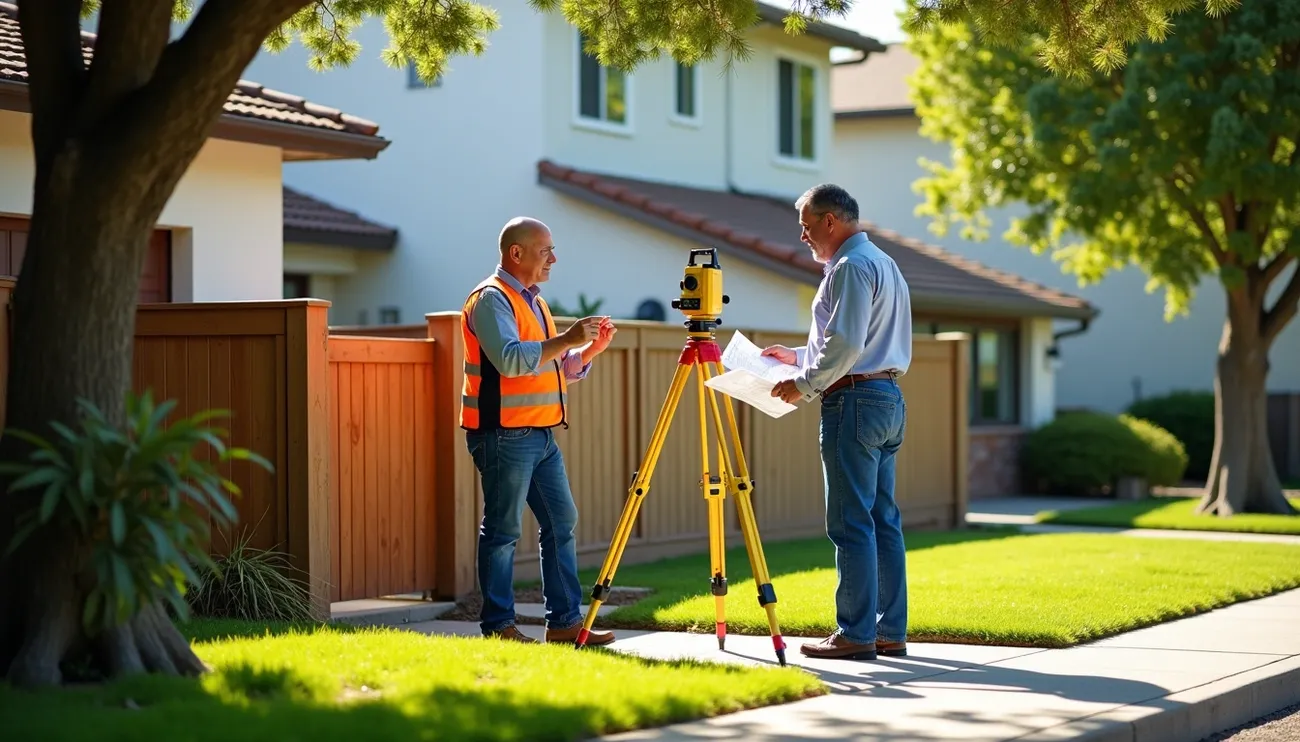
 Property line disputes happen nowhere near as rarely as you might expect in California. The California Superior Courts receive over 3,000 boundary dispute claims from property owners each year . Understanding these disputes is vital because boundary disagreements rank among the most common legal battles in California property law .
Property line misunderstandings can quickly turn serious, particularly when valuable land or improvements hang in the balance . Unresolved boundary issues can damage your property rights and strain your neighbor relationships . Your property value could take a hit, and these problems tend to get more complex if you don’t deal with them right away .
This piece covers everything you should know about property line disputes in California. You’ll learn about what causes them, the laws that apply, and the best ways to solve these issues before they turn into costly legal fights. The information and tools here will help you handle current disputes or avoid them down the road.
Understanding Property Line Disputes in California
Understanding Property Line Disputes in California
Peaceful homeownership can turn into a stressful experience when neighbors disagree about property boundaries. Let’s explore these disputes and how California law deals with them.
What is a property line dispute?
Neighbors sometimes disagree about where their properties begin and end. These conflicts surface when physical features like fences, driveways, or landscaping don’t line up with the legal property lines [1]. Many homeowners don’t notice these issues until someone raises concerns or a property sale reveals the problems.
Common causes: encroachments, easements, and unclear surveys
Recent data shows that boundary disputes make up 17% of all real estate issues between neighbors [2]. Here’s what typically causes these conflicts:
- Encroachments – Structures or objects that cross over onto a neighbor’s land, such as fences, driveways, or buildings [3]
- Easement disagreements – Conflicts about legal rights to use another person’s property [4]
- Unclear or outdated property documentation – Poor deed descriptions, wrong surveys, or records that don’t match [2]
- Overlapping property lines – Legal descriptions that suggest properties share the same space [2]
These boundary conflicts range from simple fence placement issues to complex disputes over commercial properties worth millions [3].
How California law defines property boundaries
California Civil Code Section 829 states that “The owner of land in fee has the right to the surface and to everything permanently situated beneath or above it” [5]. The law also sets these key principles:
- Property owners next to roads or streets own land that extends to the street’s center (unless proven otherwise) [5]
- Trees belong to the property owner if their trunks stand completely on that owner’s land, even when roots spread to other properties [5]
- Trees with trunks that stand on multiple properties belong to all adjacent owners [5]
Courts rely on legal descriptions in deeds, surveys, and county records to settle these matters [6]. They look at land surveys, property descriptions, and any agreements between property owners to resolve disputes [7].
Legal Concepts Every Homeowner Should Know
California property law offers several legal ways to resolve boundary disputes. You can protect your property rights better by understanding these concepts.
Quiet title action in California
A quiet title action legally establishes clear ownership when others claim your property. This legal tool needs a verified complaint filed in your property’s county superior court. Your complaint should describe the property, explain your claim basis, and list the claims you contest. Unlike standard lawsuits, courts cannot enter default judgments in quiet title actions—you must always prove your title with evidence.
Adverse Possession California requirements
Property claims through adverse possession in California need five specific conditions:
- Possession under claim of right or color of title
- Actual, open, and notorious occupation that notifies the true owner
- Exclusive and hostile possession (without the owner’s permission)
- Continuous possession for at least five years
- Payment of all property taxes during the five-year period
Tax payment proves the biggest challenge for most adverse possession claims.
Prescriptive and equitable easements
Prescriptive easements give usage rights instead of ownership after five years of continuous, open use without permission. Courts create equitable easements by applying the “relative hardship” test. They look at whether someone trespassed innocently, if the property owner would face irreparable harm, and whether the trespasser’s hardship would far outweigh the owner’s difficulties.
Tree boundary laws and shared fence laws California
Trees growing entirely on one property belong to that owner. Boundary line trees have joint ownership. California’s Good Neighbor Fence Act states that adjoining landowners share equal benefits and maintenance costs of boundary fences. Owners must give 30-day written notice before they build or repair shared fences.
Driveway encroachment laws California
Driveway encroachments happen when structures cross property lines onto neighboring property. Solutions include getting an equitable easement, filing for quiet title, or asking for removal. Courts examine whether someone encroached intentionally, how it affects the property, and weigh removal costs against the hardship caused.
Steps to Resolve a Property Line Dispute Peacefully
Your time, money, and relationships stay intact when you resolve boundary disputes amicably. Here’s a practical way to handle property line disagreements without rushing to court.
1. Review your deed and property records
Start by gathering all official documents about your property. Your deed has a legal description that defines your boundaries. The county recorder’s office provides copies if you’ve lost the original paperwork. These documents will give you clarity about your legal property lines and make your position stronger in any dispute.
2. Hire a licensed land surveyor
A professional survey usually settles boundary uncertainties. Licensed surveyors determine exact property lines and document their findings. Boundary surveys confirm property lines and help resolve disputes or prepare for construction projects [8]. Surveys cost between $330-$670, but this investment prevents costlier problems down the road.
3. Talk to your neighbor with evidence in hand
Documentation in hand makes it easier to approach your neighbor respectfully. Most disputes happen because of misunderstandings, not intentional wrongdoing [9]. Show your evidence calmly, listen to their viewpoint, and work toward mutual understanding. People often encroach unintentionally [10]. Your chances of resolution improve when you stay civil throughout these discussions.
4. Draft a boundary line agreement
A formal boundary line agreement helps when both parties reach an understanding. This document should clearly show each party’s land ownership [2]. The agreed boundary doctrine says that if neighboring property owners settle on the boundary, that line becomes official, even if one party encroaches [11]. Make sure your county records this agreement properly.
5. Try mediation before litigation
Mediation offers a friendlier option than court when direct talks fail. Mediators help identify each co-owner’s goals while explaining California real estate laws [6]. California prefers mediation because it offers a simpler, cheaper solution and reduces court backlogs [6]. This approach lets you retain control over the outcome better than going to court.
When to Involve a Real Estate Attorney
Property disputes sometimes need legal expertise, even after trying peaceful solutions. A professional’s help at the right time can save both time and money.
Signs you need a boundary dispute attorney
You should talk to an attorney right away if:
- Neighbor discussions fail to resolve the issue
- Complex issues like prescriptive easements or adverse possession emerge
- Structures cross property lines for years
- Property values drop by a lot
Note that early consultation helps avoid extra costs. If your neighbor has already hired legal counsel, you should do the same.
How a real estate litigation attorney California can help
A skilled attorney can:
- Identify key parties in property disputes
- Review deeds, surveys, and property records
- Help you through negotiations or court filings
- Stand up for your interests if litigation becomes necessary
- Give legal advice specific to California property law
Real estate law specialists prove most helpful with contract issues or disputes with neighbors, tenants, or contractors.
Filing a quiet title or action for ejectment
Quiet title actions establish clear ownership during title disputes. Success depends on proper documentation and legal representation from an experienced real estate attorney. These actions help resolve fraudulent deeds and other title issues.
An ejectment action helps you get back possession of land from unlawful occupants. You must prove ownership and show unlawful occupation.
Understanding notice of pendency of action
“Lis pendens,” this recorded document alerts others about pending litigation affecting real property. It needs names of all parties and property description. You must mail copies to adverse parties before recording. The notice then alerts potential buyers about pending litigation.
Preventing future disputes through legal documentation
Strong documentation protects you from future disputes. Boundary line agreements, easement documents, and recorded surveys create solid legal records. These documents protect your property’s rights and stop conflicts before they start.
Conclusion
Property line disputes can turn friendly neighbors into enemies and peaceful homes into war zones. California homeowners face many boundary problems, but they can solve most disputes without getting pricey legal battles if they take quick and proper action.
Your deeds and property records reveal the true story about your land boundaries. Professional land surveys offer solid evidence that often settles disagreements before they get out of hand. Direct and civil communication with your neighbor should be your first step to find a solution.
Notwithstanding that, some cases just need legal expertise. Complex situations with adverse possession or prescriptive easements require a qualified real estate attorney’s help. These experts can guide you through California’s specific property laws and protect your interests.
A preventive approach works better than fixing problems later. You can save thousands in legal fees with clear documentation, properly recorded surveys, and formal boundary agreements. On top of that, knowing shared responsibility laws for fences and trees helps you stay friendly with the folks next door.
This piece gives you the tools to handle property line disputes with confidence. Your home is one of your biggest investments—securing its boundaries protects your peace of mind too. Boundary conflicts might look overwhelming at first, but the right approach can create fair, lasting solutions that work for everyone.

