
The Hidden Truth About Adverse Possession California Property Owners Must Know
 California’s adverse possession laws allow trespassers to become legal property owners if property owners aren’t vigilant. Someone could legally claim your California property after just five years of unauthorized use. The state mandates continuous possession during this short period and requires payment of all property taxes throughout that time.
Most property owners don’t realize this legal concept exists until they face a claim. The state’s adverse possession laws stand out as especially strict when compared to other states. These laws create a path for someone to gain legal title to your land without buying it. Your property could change hands if someone uses it for five years while paying property taxes under specific conditions. Let me explain the requirements for adverse possession in California and show you how to protect your valuable real estate from these claims.
What is Adverse Possession in California?
Property ownership in California isn’t as secure as you might think. The legal concept of adverse possession can transfer your property title to someone else without a sale or your permission.
Definition under California law
Adverse possession in California lets someone who trespasses on your land gain legal title to that property. Most states need 10-20 years of possession. California’s timeframe is just five consecutive years. The state adds one vital requirement: trespassers must pay all property taxes on the land during these five years.
Courts in California recognize adverse possession when trespassers meet specific criteria that are 5 years old by statute and judicial decisions. This legal principle helps encourage productive use of land instead of letting properties remain vacant or neglected.
How it is different from squatter’s rights
People often mix up adverse possession with squatter’s rights. These represent two separate concepts. A squatter occupies property without owning it, renting it, or having the owner’s permission. Squatting remains illegal in California.
Adverse possession creates a legal framework that lets unauthorized occupants gain ownership after meeting strict requirements. It results in a complete transfer of title. Other property rights like easements only involve shared access without changing ownership.
The biggest difference comes down to legitimacy. Squatting begins as trespassing. Adverse possession offers a legal path that can turn trespassing into legal ownership.
Why property owners should care
You should stay alert about adverse possession. California’s five-year requirement ranks among the shortest nationwide. Once trespassers meet all requirements, they can file a legal action to “quiet title” and get court-recognized ownership of your property.
Trespassers must prove their case. Successful claims happen when:
-
Property owners neglect regular inspections
-
Land boundaries are unclear or disputed
-
Owners fail to monitor vacant properties
-
Written permission isn’t provided to those using portions of the property
The ownership transfer through adverse possession becomes almost impossible to reverse. Understanding adverse possession helps protect your valuable real estate assets.
The 5 Legal Requirements for Adverse Possession in California
California law establishes strict requirements for anyone who wants to claim property through adverse possession. Claimants must meet all legal requirements at the same time. Missing just one requirement will invalidate the entire claim.
1. Hostile claim without permission
The term “hostile” in California adverse possession law doesn’t mean aggressive behavior. The property must be used without the owner’s permission or consent. People can meet this requirement in three ways:
-
Making an honest mistake by believing they have property rights
-
Occupying the property without knowing boundary lines
-
Knowingly trespassing despite awareness the property belongs to someone else
No adverse possession claim will succeed if the true owner has allowed the property use.
2. Actual and physical possession
Physical occupation and active use of the property are necessary for adverse possession claims. Activities like construction, farming, or installing fences demonstrate this. Occasional visits won’t qualify – the property needs active use similar to what a true owner would do.
3. Open and notorious use
The possession must be clearly visible, not hidden from view. True owners should easily notice someone occupying their property. California courts require claimants to “unfurl their flag on the land” that makes the invasion obvious to the owner.
4. Exclusive control of the property
Exclusive possession means not sharing the property with strangers, the public, or the rightful owner. This shows the claimant treats the property as their own.
5. Continuous use for 5 years
Possession must continue without breaks for five straight years in California. The claim becomes invalid if there’s any interruption or abandonment during this time. The timeframe extends to 20 years when property owners have medical disabilities.
6. Payment of property taxes
California stands out by requiring payment of all property taxes during the five-year period. Yearly tax payments must happen when assessed rather than as a single later payment. Certified records from the county tax collector must prove these payments.
Real-Life Examples and Legal Cases in California
Real courtroom cases are a great way to get practical knowledge about how adverse possession laws work in California. Let’s get into three landmark cases that shaped our understanding of this complex legal doctrine.
Dimmick v. Dimmick (1962)
Two brothers jointly owned farm property in this case. One brother worked the land by himself for 22 years. He made improvements worth over $10,000 and paid all expenses. The California Supreme Court ruled against his adverse possession claim because he couldn’t prove his possession was hostile to his brother’s interests. The court made it clear that joint owners must explicitly notify co-owners if they want to claim exclusive ownership. “The possession of one is deemed the possession of all,” the court stated.
James v. LeDelt (1964)
This boundary dispute started when LeDelt set what he thought was the true property line and made improvements near it. Janes bought the adjacent property later and surveyed the land. He found LeDelt’s cabin was actually on his property. The court ended up ruling in LeDelt’s favor based on the doctrine of agreed boundary. They found that previous owners had accepted the boundary through their actions over time.
Madden v. Alpha Hardware (1954)
This case expresses the vital role of good faith in adverse possession claims. The defendant ran a service station on land owned by plaintiffs and claimed ownership through adverse possession. The court rejected this claim because the defendant couldn’t prove legitimate title origin. They emphasized that color of title requires good faith reliance on a defective instrument.
What these cases teach property owners
These landmark cases give significant lessons to California property owners:
-
Cotenants cannot claim adverse possession without clear notice of hostile intent
-
Boundary agreements, even informal ones, can become legally binding over time
-
Good faith is the foundation of successful adverse possession claims
-
Property owners should check boundaries regularly and document any encroachments
-
Written permission should be given to anyone using your property to prevent hostile claims
How to Protect Your Property from Adverse Possession Claims
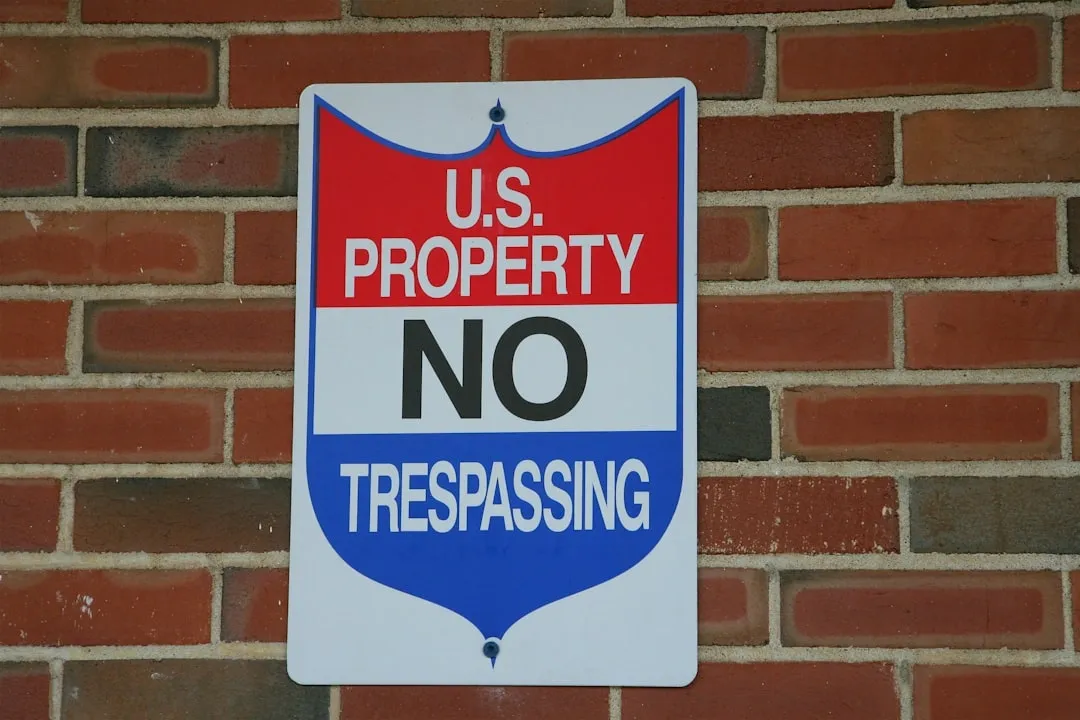
Image Source: https://unsplash.com/
Your property needs protection from adverse possession claims through watchfulness and proactive measures. California’s relatively short five-year requirement means property owners should actively safeguard their real estate investments.
Inspect your property regularly
Regular property inspections act as your first defense against adverse possession claims. Watch out for:
-
Alterations in boundary markers
-
Unauthorized structures
-
Signs of cultivation or exclusive use
-
Evidence of occupation
These inspections become more important for vacant or rarely used properties. You can address potential adverse possession situations before the five-year requirement if you detect them early. Date-stamped photos can document these visits as evidence of your active ownership.
Post clear boundary and no trespassing signs
Clear boundaries and proper signage substantially reduce potential adverse possession claims. Your property lines need visible markers like fencing and survey stakes. “No Trespassing” signs should go up at entry points and along property edges. Replace damaged signs right away. These physical markers show your active ownership rights and make it harder for trespassers to claim ignorance of encroachment.
Keep rental units occupied and monitored
Adverse possession attempts often target vacant properties. Your lease agreements should explicitly ban subletting and require tenants to report unauthorized occupants. Regular inspections help verify compliance. Empty properties look abandoned and draw trespassers, so handle vacancies quickly.
Grant written permission to avoid hostile claims
A simple yet powerful strategy involves giving written permission when others use your property. This approach eliminates the “hostile” element that adverse possession requires. Create a clear written agreement that states any use needs your permission. You might add nominal rent to strengthen the legal position. Note that permitted use can last indefinitely without creating adverse possession rights.
Hire a property manager if needed
Professional management provides essential oversight for absentee owners or those with multiple properties. Property managers handle inspections, maintenance, and respond fast to unauthorized occupancy. They watch over your property, especially vacant ones that need extra watchfulness to prevent adverse possession claims.
Conclusion
California’s adverse possession laws pose a real risk to property owners who don’t stay alert. The five-year requirement is by a lot shorter than other states, which makes protecting your property crucial. Your property is a valuable asset that needs active defense against potential claims.
You can spot potential threats better by knowing the six requirements for adverse possession claims. A valid claim needs hostile claim, actual possession, open use, exclusive control, continuous occupation, and property tax payments all happening at the same time.
Your real estate investment needs concrete protection steps. Regular property inspections, clear boundary markers, and “No Trespassing” signs show your active ownership. On top of that, giving written permission to anyone using your land removes the “hostile” element needed for adverse possession.
Note that reversing a successful adverse possession claim on your property becomes almost impossible. Without doubt, the time and effort you spend protecting your property is nothing compared to losing valuable real estate. Protect what belongs to you right now.
People Also Ask:
Q1. What are the key requirements for adverse possession in California? There are six key requirements for adverse possession in California: hostile claim without permission, actual and physical possession, open and notorious use, exclusive control of the property, continuous use for 5 years, and payment of property taxes throughout that period.
Q2. How long does someone need to occupy a property to claim adverse possession in California? In California, the required period for adverse possession is 5 consecutive years. However, this timeframe increases to 20 years if the property owner has a medical disability.
Q3. Can someone claim adverse possession if they have permission to use the property? No, permission negates the “hostile” element required for adverse possession. If the true owner has granted permission for property use, no adverse possession claim can succeed.
Q4. What’s the difference between adverse possession and squatter’s rights? Adverse possession is a legal doctrine that can result in a transfer of property ownership after meeting specific requirements. Squatter’s rights, on the other hand, simply refer to illegal occupation of a property without any potential for ownership transfer.
Q5. How can property owners protect themselves from adverse possession claims? Property owners can protect themselves by regularly inspecting their property, posting clear boundary and no trespassing signs, keeping rental units occupied and monitored, granting written permission for any allowed use of their property, and considering hiring a property manager for oversight if needed.

